An old receipt can make an ordinary purchase feel like a doorway into another time. It records a transaction, with the products, quantities and prices that mattered at that moment.
The first task is to establish what the document actually says: its date, location, currency, items and any special offer. One receipt describes one purchase. It cannot, by itself, establish what a whole country paid.
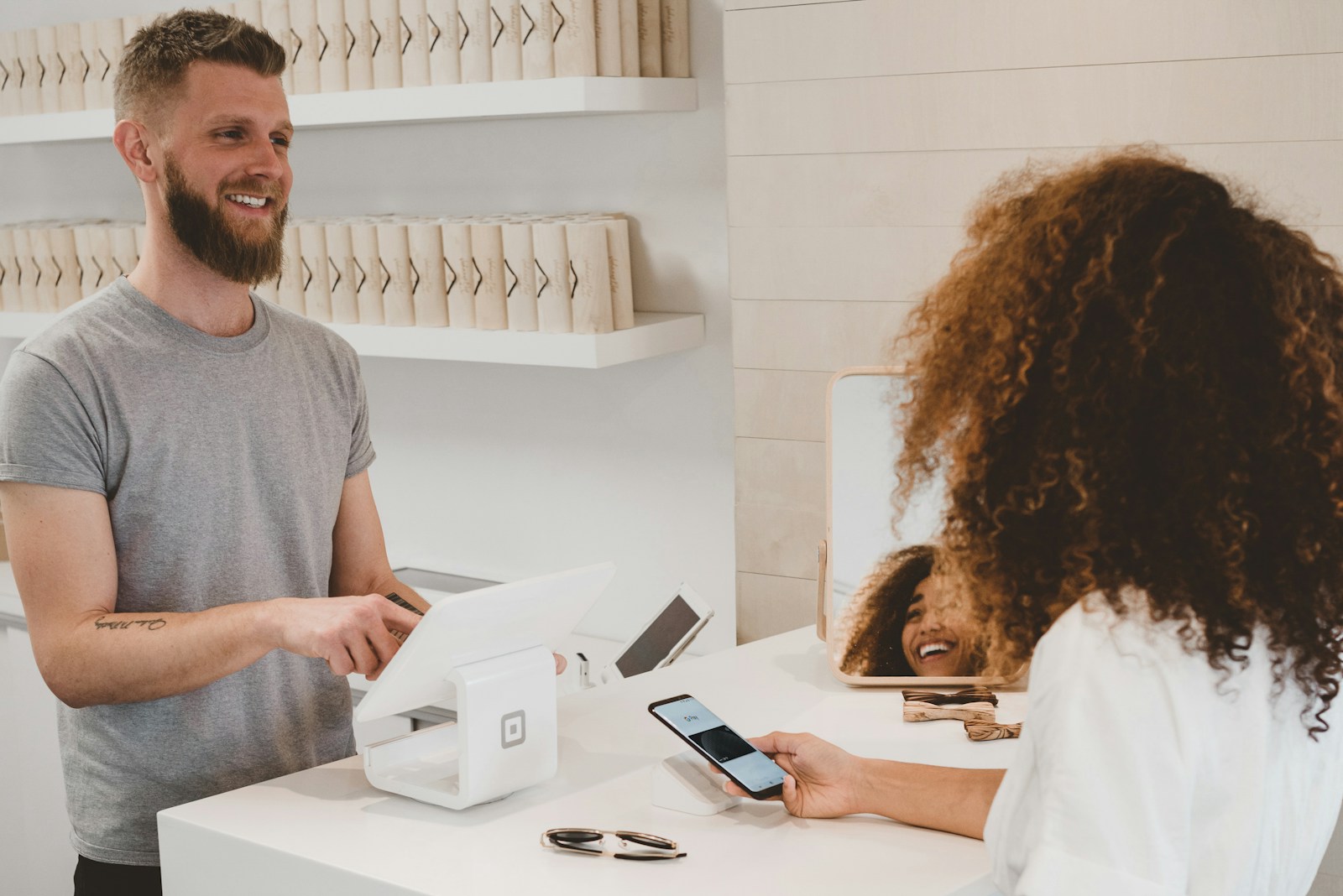
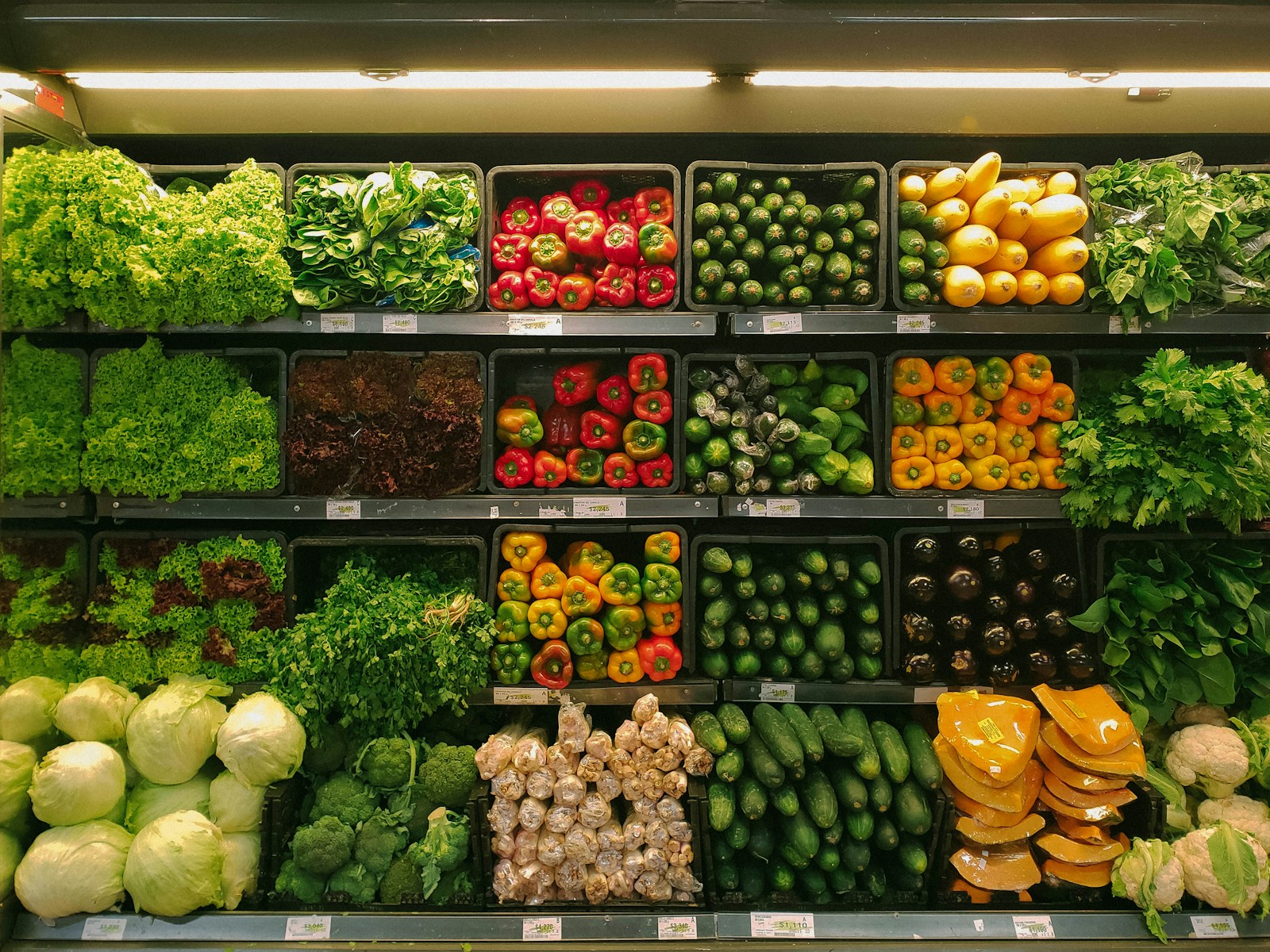
This is a method explainer. The photograph is illustrative, and no historical receipt or price is being presented as a newly discovered artifact.
Give the original price its own place
A good comparison starts by reporting the recorded amount accurately. It then finds a defensible modern counterpart. A different package size, different quality or a temporary sale can change the interpretation.
Two products with the same name may have changed over decades. Keep that difference visible rather than treating every old and new purchase as identical.
Separate price from purchasing power
An inflation adjustment asks what an earlier amount represents in later purchasing power. BLS explains using the ratio of the relevant price-index values.
For a wholly hypothetical example, suppose an old purchase cost $20, an earlier index was 100 and a later index was 160. The adjusted amount would be $20 multiplied by 160 divided by 100: $32.
Those invented index values do not describe any particular years. The calculation illustrates the method. A real article needs the actual series, periods and observations, with enough information for a reader to reproduce it.
Affordability is another question
A comparison with earnings can add useful context when suitable data exists. It needs its own definitions: whose earnings, which location and period, and what type of household or job?
A broad inflation adjustment does not establish exactly what the product costs today. Nor does a lower historical sticker price prove that the purchase was easier for every household to afford.
Let the document keep its limits
A scan that is publicly accessible is not automatically free to reproduce. Check the rights information for the specific item and verify any text extracted by OCR against the image.
The human interest comes from familiar experiences: buying groceries, paying a bill or saving for a home. The comparison becomes more useful when the evidence, calculations and uncertainty remain visible together.